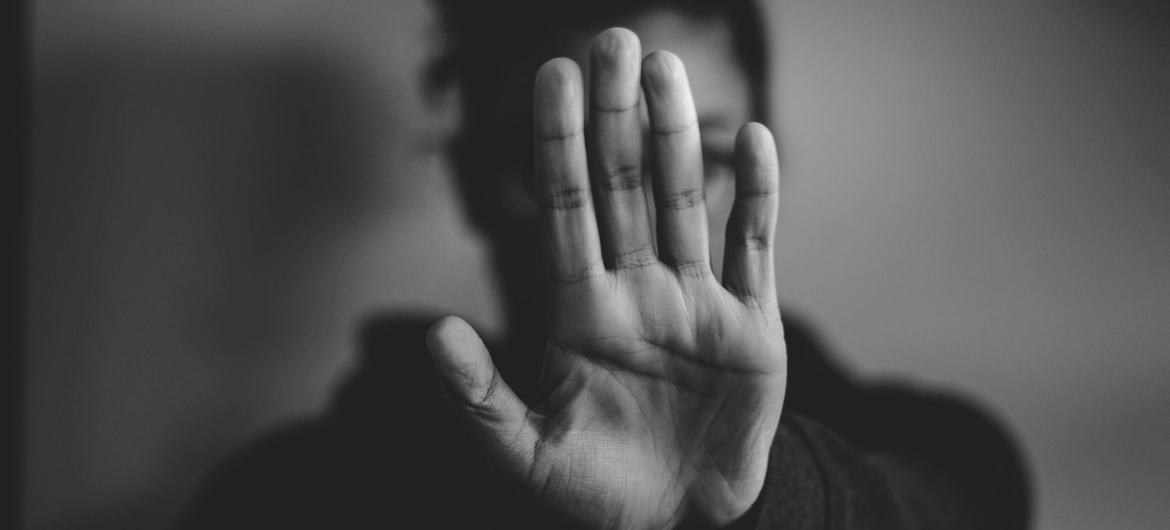
At least 47,000 women and girls were killed by intimate partners or family members worldwide in 2025, equivalent to five deaths every hour, according to new United Nations (UN) figures released ahead of the International Day for the Elimination of Violence against Women on November 25. According to a separate UN Women report, nearly one […] The post Five women killed every hour by partners or family members appeared first on KBC Digital.
According to a separate UN Women report, nearly one in three women worldwide have experienced physical or sexual violence, yet only seven per cent report it to police.
The two reports reveal violence that is widespread, largely hidden and rarely punished and women steadily losing faith in the systems meant to protect them.
The 2026 Femicide Brief, published by the UN Office on Drugs and Crime (UNODC) and UN Women ahead of the International Day for the Elimination of Violence against Women, finds that partners and relatives were behind 60 per cent of the 78,000 intentional killings of women and girls worldwide last year.
According to UN Women, violence against women and girls remains one of the most pervasive human rights violations worldwide, affecting one in three women during their lifetime. Yet for countless survivors, justice remains out of reach. Too many face barriers to reporting violence, accessing protection and support, or holding perpetrators accountable.
Despite progress in laws and policies, the gap between legal commitments and the reality experienced by survivors remains vast. Fear, stigma, discrimination, and inadequate institutional responses continue to prevent women and girls from seeking justice.
Further funding cuts are weakening essential services and the women’s rights organizations that provide critical support, particularly for those already facing multiple forms of discrimination or living in underserved communities.
For many survivors, reporting abuse can mean risking everything: their homes, children, financial security and even their lives.
Briefing journalists at UN Headquarters in New York, UN Women Deputy Executive Director Nyaradzayi Gumbonzvanda said women were losing trust in the systems meant to protect them.
“The silence is getting louder in most countries where we have tracked it over time. Fewer women are seeking help today than before. We are going backwards,” she said. “Our data shows justice systems globally make silence the safest choice a woman can make.”
She urged communities and institutions to believe survivors, whether or not they can provide physical evidence or recall every detail of their abuse.
“It costs nothing to believe someone. And it changes everything to believe a survivor, every single time,” she said.
UN Women’s report, Access to Justice for Women Survivors of Violence, draws on data from 54 countries and traces the barriers women face from seeking help to navigating the courts.
An estimated 840 million women and girls have experienced physical and/or sexual violence during their lifetime, yet only 23 per cent of survivors seek help from family, their communities or the authorities.
Between 63 and 97 per cent of reported cases do not result in a conviction, said Kalliopi Mingeirou, Chief of UN Women’s Ending Violence Against Women Section.