Iranian officials have historically rejected criticism of the country's judicial practices from Western governments, arguing that they should address concerns internally.
Iranian authorities have reportedly flogged singer Parastoo Ahmadi and four male musicians, administering 74 lashes each over an online concert she performed in 2024.
According to Al Jazeera, the punishment was carried out on Monday at the Criminal Sentence Enforcement Office in Qom, following confirmation by her defence lawyer and a human rights monitor.
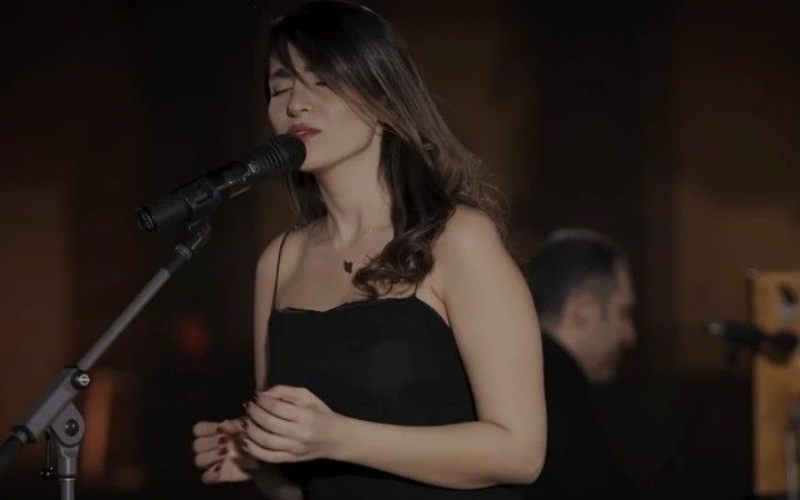
The case stems from a 27-minute virtual concert Ahmadi, 29, livestreamed on YouTube in December 2024.
The performance, recorded without a live audience at the historic Deir-e Gachin Caravanserai near Qom, showed her singing alongside male musicians while wearing a long, black sleeveless dress without a hijab.
In June 2026, a criminal court in Qom convicted Ahmadi and eight co-defendants of "offending public decency" and producing "obscene and indecent material". The Qom Province Court of Appeals upheld the verdict in September 2026.
In addition to the 74 lashes, the court imposed a two-year travel ban on Ahmadi and prohibited her from engaging in artistic, musical and audiovisual activities during the same period.
Defence lawyer Mostafa Nili said the sentences were enforced against Ahmadi, producer Mohsen Lashkari, and musicians Soheil Faghih-Nasiri, Amin Taheri and Amirali Pirnia.
He told Iranian outlet Emtedad that the five appeared at the Qom prosecutor's office, where the punishment was administered.
Human rights organisations, including Amnesty International and Iran Human Rights (IHRNGO), condemned the floggings, describing them as cruel, inhuman and degrading treatment that violates international prohibitions against torture.
Bahar Ghandehari, advocacy director at the Center for Human Rights in Iran, said Ahmadi's punishment was a violation of her fundamental rights.
"Parastoo Ahmadi's flogging for singing and dressing as she chooses is a flagrant violation of her fundamental rights and a chilling demonstration of the Iranian authorities' determination to suppress women's freedoms and to violently punish anyone who dares to challenge their discriminatory laws and policies," she said.
According to the BBC, Iran's Islamic legal code requires women to cover their hair and wear loose, modest clothing in public.
Since the 1979 Islamic Revolution, women have also faced restrictions on singing solo in public or performing before male audiences.
Iran's judiciary had not issued an immediate official statement confirming that the floggings had been carried out.
Iranian officials have historically rejected criticism of the country's judicial practices from Western governments, arguing that they should address human rights concerns within their own borders.