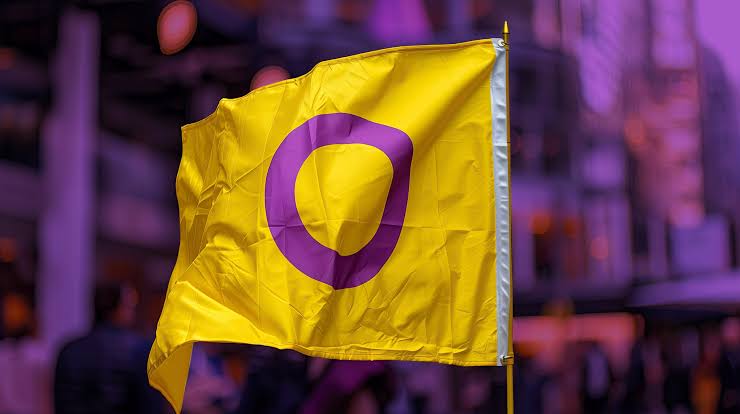
Strengthening legal protections, improving access to healthcare and education, and providing psychosocial support are key to ensuring intersex children grow up with dignity and acceptance. These issues featured during Intersex Awareness Day, convened by Jinsiangu in partnership with the Kenya Intersex Persons Consortium, as advocates called for greater inclusion and protection of intersex persons in […] The post Kenyan father turns personal journey into advocacy for intersex children’s rights appeared first on KBC Digital.
These issues featured during Intersex Awareness Day, convened by Jinsiangu in partnership with the Kenya Intersex Persons Consortium, as advocates called for greater inclusion and protection of intersex persons in Kenya.
For Peter Maingi, the call for acceptance is deeply personal. Sixteen years ago, he was looking forward to welcoming his third child, whom he expected to be a boy. However, the birth marked the beginning of a challenging journey that would transform his life and lead him into intersex rights advocacy.
“When the child was born, we were shocked to discover that the baby had what is medically known as ambiguous genitalia. At the time, we did not understand what it meant to be intersex,” Maingi recalls.
Determined to secure the best medical care, he took his child to a national referral hospital, where doctors conducted several tests. They initially suspected an undescended testicle and penoscrotal hypospadias, a condition affecting the opening through which urine passes.
Further investigations revealed an ovotestis, meaning the gonadal tissue contained both ovarian and testicular components. Chromosome testing subsequently showed a 46,XX pattern, challenging the family’s initial understanding of the child’s sex characteristics.
“The experience changed our lives completely. The emotional, physical and financial strain tested me in ways I had never imagined,” he says.
Beyond the medical challenges, the family faced stigma and painful experiences. Maingi recalls someone suggesting that his wife should kill their child so the family could live comfortably.
“I remember telling her that, over my dead body, would I allow anyone to harm our child. My child was bright and deserved love, protection and an opportunity to live,” he says.
Maingi says intersex children face discrimination at home, in schools and in their communities. Some families relocate when neighbours discover their children’s sex characteristics, while others struggle to find schools where their children can learn without stigma.
Adolescence can be particularly difficult when physical changes do not conform to societal expectations. His child has experienced breast development, creating additional challenges at school and raising concerns about the child’s emotional well-being.
He advocates protecting intersex children from unnecessary, irreversible medical interventions until they are old enough to participate meaningfully in decisions about their bodies, while ensuring urgent medical needs are addressed.
Access to healthcare also remains a challenge because specialised tests and treatment can be expensive. Some families cannot afford comprehensive investigations, while intersex people face difficulties accessing appropriate sexual and reproductive health services, suitable menstrual products and acceptance in relationships.
Despite these challenges, Maingi is encouraged by growing awareness and advocacy for intersex rights in Kenya. He supports efforts to strengthen legal protections, including advocacy around the Intersex Persons Bill, 2024.
Today, he is affectionately known by some as the “intersex father of Kenya”, a title he embraces as he supports intersex people and their families.