Zanetor also questioned the Antalya-Addis Ababa plan, saying it would result in a report rather than concrete action.
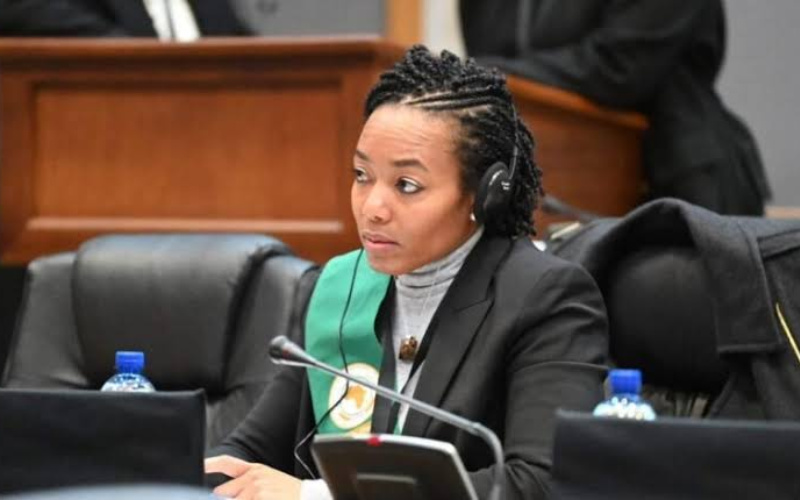
Ghanaian Environment Minister Zanetor Agyeman-Rawlings has challenged the leadership of the COP31 climate summit after being interrupted while delivering Africa's position on a proposed climate deal.
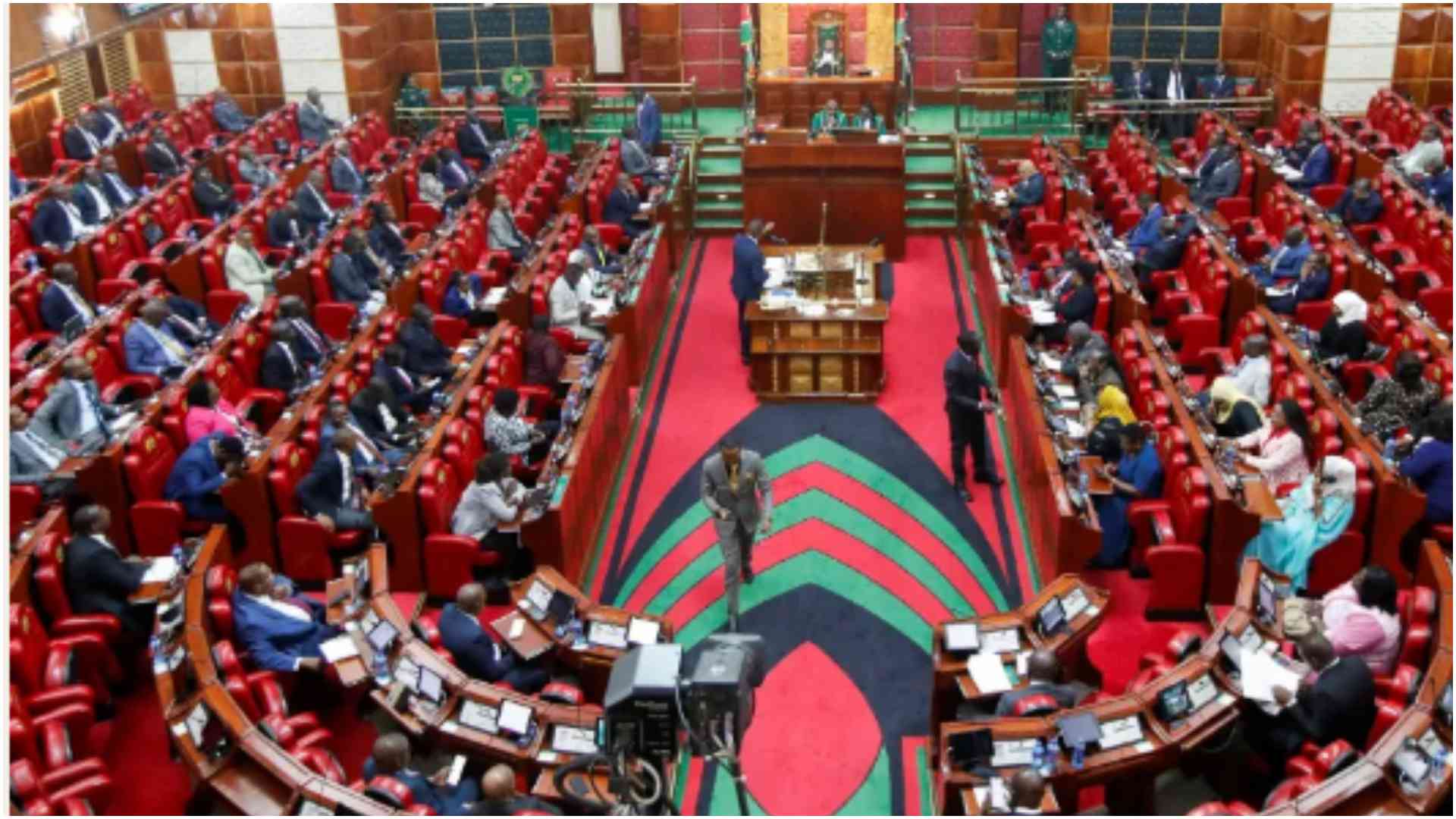
Agyeman-Rawlings, who was representing 54 African countries at the summit in Antalya, Turkey, was about a minute into her closing remarks on Sunday, November 22, when COP31 President and Turkish Environment Minister Murat Kurum cut her off.
The interruption prompted an objection from African Group of Negotiators (AGN) Chair Antwi-Boasiako Amoah, who noted that other delegations had been allowed to speak without interruption.
When she regained the floor, Agyeman-Rawlings expressed her displeasure at the treatment, accusing the summit president of undermining the principles of multilateralism.
"I note, with extreme disappointment, the fact that when another party was speaking to the cover decision, the delegate was allowed to speak uninterrupted, but I was rudely cut off during my delivery by your good self," she said.
Reminding Kurum that the chair was "first among equals", she described the incident as unacceptable, adding that she had even changed her flights twice to attend the summit.
After being allowed to continue, Agyeman-Rawlings thanked the summit leadership before outlining Africa's concerns about the proposed climate agreement.
On climate adaptation funding, she criticised the draft's commitment to triple financial support by 2035, arguing that it lacked a clear baseline and specific funding figures.
She also questioned the Antalya-Addis Ababa plan, saying it would result in a report rather than concrete action. On loss and damage, she noted that the proposal contained no resource targets.
The minister further faulted the trade section for lacking a dedicated agenda item and firm rules on unilateral cross-border measures. She also argued that the agreement's brief reference to a fair transition to clean energy failed to reflect Africa's development realities.
"These are not small gaps," she said, pointing to millions of people facing floods, droughts and food shortages.
Kurum later apologised to Agyeman-Rawlings both privately and publicly, with the minister accepting the apology after the incident was attributed to a procedural error.
However, footage of the two exchanging pleasantries, including Kurum holding her hand as an interpreter described her as "a valuable lady like you", attracted criticism online.
Despite its reservations, the African bloc chose not to block the proposed text, arguing that preserving international cooperation was important even as it continued pushing for stronger commitments.