Pneumonia, urinary tract infections, meningitis, and infections following surgery or childbirth can all potentially progress to sepsis.
An infection can begin quietly—a fever, a persistent cough, a urinary tract infection, or an infected wound that seems manageable.
But sometimes, what starts as a local infection triggers a dangerous chain reaction throughout the body.
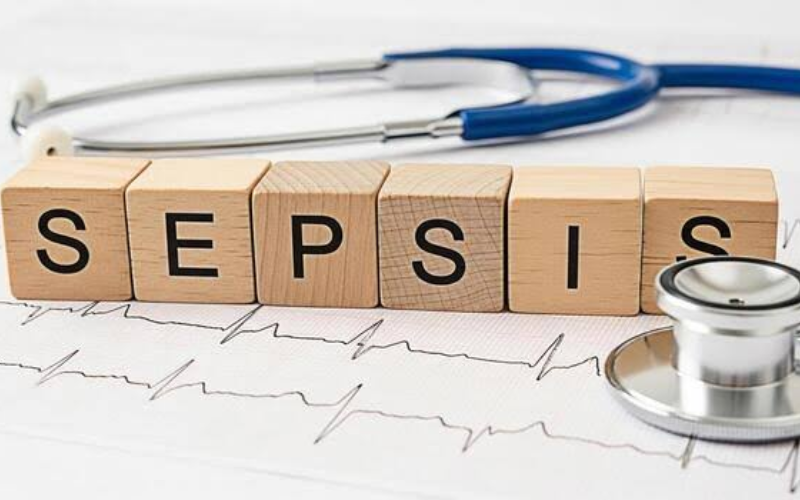
Sepsis, a life-threatening medical emergency that occurs when the body mounts a dysregulated response to an infection, causing damage to its own tissues and organs.
According to Dr. Paul Masinde, sepsis is a life-threatening medical emergency that occurs when your body's immune system response is abnormal to an infection and leads to organ dysfunction.
Commonly triggered by bacterial infection like flu, COVID-19, fungal or parasitic infections, the condition affects almost any part of the body, including the lungs, urinary tract, abdomen, skin, and bloodstream.
Pneumonia, urinary tract infections, meningitis, and infections following surgery or childbirth can all potentially progress to sepsis.
"A person can move from having what appears to be an ordinary infection to becoming critically ill within a short period," says Dr. Masinde. "That is why recognising the warning signs and seeking medical attention early is extremely important."
Normally, the immune system responds to an infection by sending inflammatory cells and chemicals to fight invading organisms. In sepsis, this response becomes excessive or poorly regulated, explains Dr. Masinde.
The resulting inflammation can affect blood vessels, circulation, and the functioning of vital organs. Blood pressure may fall, oxygen delivery to tissues can become inadequate, and organs such as the kidneys, lungs, heart, and brain may begin to fail.
"People should not wait until someone becomes unconscious before seeking help. A significant change in behaviour, breathing, circulation or general condition in someone with an infection should raise concern," the doctor says.
Although sepsis can affect anyone, some people face a higher risk of developing severe illness. These include newborns and young children, older adults, pregnant and recently pregnant women, people with weakened immune systems, and those living with chronic illnesses such as diabetes, kidney disease, or cancer.
"Early treatment gives a patient a much better chance of recovery," Dr. Paul Masinde says. "The longer severe sepsis continues without appropriate intervention, the greater the risk of organ damage and death."
Recovery may therefore require follow-up medical care, rehabilitation, nutritional support, and emotional support depending on the severity of the illness.